Embrace the Future: How AI Predicts Trends for Success
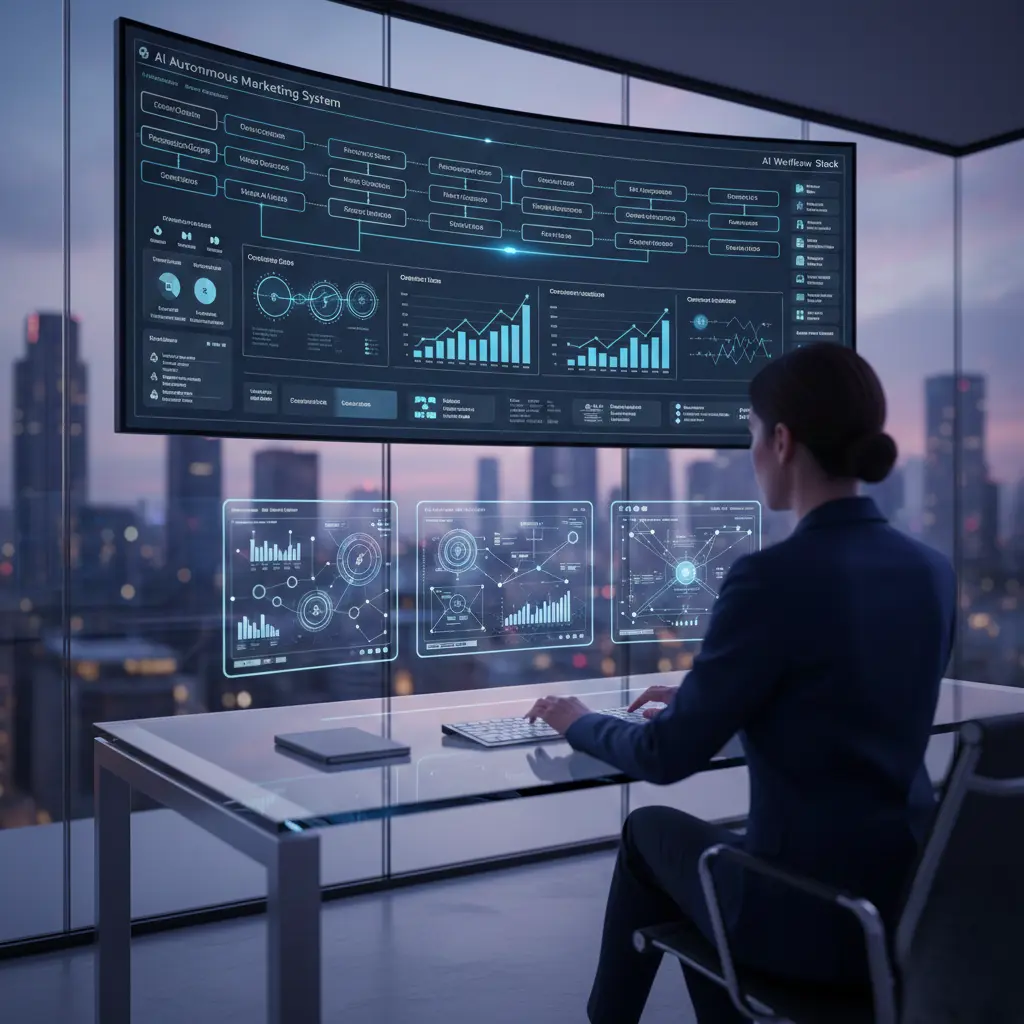
Prediction isn’t just a business advantage, it’s the system guiding how everything works. From stock markets reacting to global events, to search engines anticipating what people will type, to brands deciding what to sell next, how AI predicts trends has become the foundation of modern decision-making. Instead of relying on guesswork or old data, AI analyzes patterns and behaviors in real time, making the future clearer than ever.
AI-powered forecasting is already transforming industries. Zara uses AI to decide which designs to produce, TikTok predicts what videos will go viral, and Google Trends reveals rising interests before they peak. These examples show that how AI predicts trends isn’t just about profits, it’s about understanding people. Prediction is the new power, and AI is the engine driving it.
How AI Predicts Trends in General
To understand how AI predicts trends, you have to see how predictive analytics connects thousands of signals humans miss. Instead of relying on opinions or slow reports, AI finds hidden patterns in massive datasets and uses them to forecast what is most likely to happen next. Think of it as a system that constantly observes what people do, what they search, what they buy, what they talk about, and how the world moves, then connects dots we would never notice on our own.
There are two main engines behind this ability: machine learning and deep learning. Machine learning works like a super-fast analyst that studies past data to predict future behavior, for example, forecasting how people might react to a new product launch. Deep learning goes a step further by mimicking how the human brain recognizes patterns, allowing it to analyze complex data like images, videos, and large social conversations. This combination of machine learning and deep learning forms the core of how AI predicts trends with speed and accuracy that traditional forecasting could never match.
How AI Predicts trends by Collecting User`s Data
AI studies different data signals at once to understand what’s rising, fading, or about to explode. It looks at consumer behavior (what people buy, click, or watch), social signals (likes, shares, hashtags, engagement spikes), visual data from photos and videos (colors, styles, products gaining attention), and economic indicators like demand patterns or price shifts.
Because AI processes millions of actions instantly, it spots patterns long before humans do. It doesn’t get influenced by emotions or guesswork, it relies only on data. This is why AI trend forecasting is now a major power across industries, from predicting fashion shifts to explaining how AI predicts trends for future with sharp accuracy.
How AI Predicts Trends in Fashion
Fashion is one of the best real-world examples showing how AI predicts trends by reading patterns from millions of images, behaviors, and purchasing signals. Instead of waiting months for trend analysts to study runways or street style, AI scans millions of photos, videos, and buying signals in real time. It sees what people are wearing today, what they’re saving, what they’re returning, and what’s quietly gaining momentum. This shift has turned fashion forecasting from slow observation into fast, data-driven prediction.
Old vs New Fashion Forecasting Systems
| Old system (slow, manual) | New system (AI-driven) |
|---|---|
| Trend forecasters studied runway shows, magazines, and street style for months before releasing reports. | AI scans social platforms, e-commerce activity, and visual style cues in seconds, predicting micro-trends before they hit mainstream. |
Data Sources AI Uses for Fashion Prediction
Below is a clean, visual table of the most powerful (and unique) fashion data signals AI uses:

| Data Source | How AI Uses It |
|---|---|
| Instagram outfit posts | Detects rising styles, silhouettes, and color combinations. |
| TikTok + Pinterest saves | Tracks viral aesthetics and “saved” looks that indicate upcoming demand. |
| Retail inventory data | Predicts which sizes, colors, and styles will sell out or slow down. |
| Fabric & color detection from runway shows | Uses computer vision to analyze dominant patterns before they hit stores. |
| E-commerce return behavior | Understands disliked fits, quality issues, and design mismatches. |
Tools & Technologies Used in AI Fashion Forecasting
AI doesn’t just look at the data, it understands it. Here’s how:
Real Brand Examples (Used by Major Publications)
These brands show how AI predicts trends & transforming fashion at scale:
These examples prove that AI trend forecasting isn’t a theory; it’s already reshaping global retail.
The Future of AI in Fashion
AI is pushing fashion into a new era where trends form faster, become more personalized, and are predicted before the first influencer wears them.
The future of fashion isn’t just stylish, it’s predictive, fast, and deeply data-driven.
How AI Predicts trends for Future Search
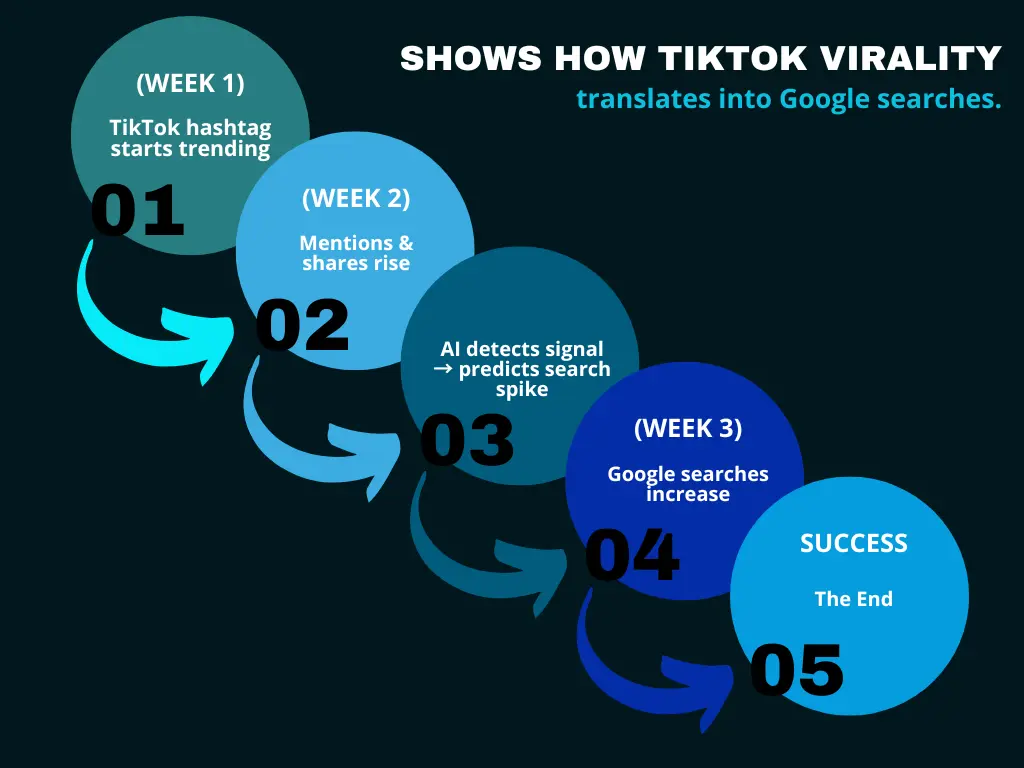
When it comes to online behavior, how AI predicts trends is based on analyzing billions of micro-signals, search queries, clicks, scroll depth, and even rising interest across social platforms. Every search, click, scroll, save, or share leaves a tiny digital signal behind. When millions of these signals accumulate, AI interprets them as clues indicating the next significant wave of interest.
Search trends don’t appear out of nowhere, they build up slowly, and AI detects that rise long before humans even notice. That’s why creators, marketers, and brands now rely heavily on AI-powered forecasting, it turns chaotic online behavior into clear predictions about what the world will search next and honestly, watching how AI predict trends feels like and what`s actually changing in 2026.
How Search Prediction Works
AI analyzes massive datasets, Google Trends charts, social media spikes, user browsing habits, and hashtags that suddenly gain momentum. It catches “micro-signals,” tiny shifts that humans would overlook, then tracks whether those signals grow day by day. Once the pattern strengthens, AI knows a trend is forming and predicts which keywords will spike next. That’s the core of modern AI trend forecasting.
Types of Search Trend Forecasting
| Type of Trend | What AI Predicts | Examples |
|---|---|---|
| Seasonal Trends | Recurring annual behavior | Black Friday, Ramadan searches, summer outfits |
| Event-Based Trends | Spikes caused by major events | iPhone launches, elections, celebrity news |
| Behavior-Based Trends | Human interest shifting into new habits | New diets, new AI tools, new productivity methods |
AI categorizes each trend type differently to understand how AI predicts future search trends with high accuracy.
Types of Search Trend Forecasting
| Type of Trend | What AI Predicts | Examples |
|---|---|---|
| Seasonal Trends | Recurring annual behavior | Black Friday, Ramadan searches, summer outfits |
| Event-Based Trends | Spikes caused by major events | iPhone launches, elections, celebrity news |
| Behavior-Based Trends | Human interest shifting into new habits | New diets, new AI tools, new productivity methods |
AI categorizes each trend type differently to understand how AI predicts future search trends with high accuracy.
Tools Used for Predictive Search Insights
| Tool / Technology | What It Does |
|---|---|
| Google Trends | Tracks real-time global search movement |
| SEMrush Keyword Intent AI | Understands user intent behind each search |
| Ahrefs Clickstream Data | Measures real search volume + user navigation patterns |
| Predictive LLMs (time-series models) | Forecast future keyword interest based on historical data |
These tools don’t just show current trends, they reveal what will trend before it peaks.
Real Examples That Prove AI Predictions Are Accurate
AI always sees the wave before it hits.
How Marketers Use Predictive Search Trends
This is where prediction becomes power. Marketers use AI search forecasting to:
Those who act early dominate. Those who rely on guesswork get left behind.
How to Stay Updated With the Latest AI Trends
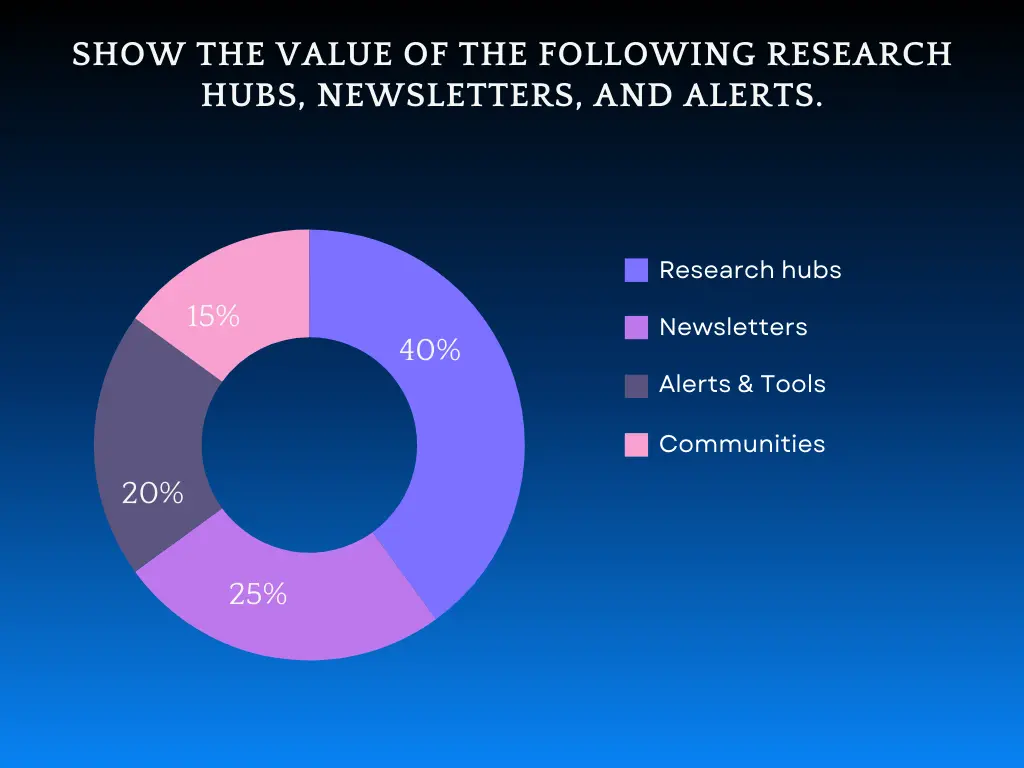
AI is moving faster than ever, and staying ahead isn’t about reading one blog or checking headlines occasionally, it’s about creating a system that feeds you the right insights in real time. With new models, research breakthroughs, and viral applications emerging daily, knowing how to separate hype from reality is crucial for anyone who wants to keep their skills, business, or curiosity relevant.
Follow AI Research Hubs
The fastest way to see what’s truly happening in AI is to go straight to the source:
These hubs show what’s real, tested, and peer-reviewed, not just trending headlines.
Newsletters to Follow
| Newsletter | Why It’s Useful |
|---|---|
| The Algorithm (MIT Tech Review) | Curated AI news and analysis from a trusted tech publication |
| TLDR AI | Quick, concise summaries of research, tools, and trends |
| Ben’s Bites | Bite-sized AI insights, tools, and developments delivered weekly |
Newsletters help you digest complex AI updates without getting lost in the flood of information.
Tools for Real-Time Trend Detection
| Tool | Purpose |
|---|---|
| Feedly AI | Aggregates AI news, blogs, and research in one feed |
| Perplexity Alerts | Notifies you of emerging AI topics in real time |
| Google Alerts on LLMs | Sends updates when new large language model content is published |
| Twitter Lists | Track AI founders, researchers, and thought leaders instantly |
These tools make sure you never miss an emerging trend or breakthrough.
Join Active Communities
Being part of AI communities accelerates learning and trend spotting:
Active communities give you insights before they reach mainstream media.
Learn How to Verify Hype vs Reality
Not every AI claim is accurate, separating fact from marketing is key:
Combining reliable sources, real-time alerts, and verification practices ensures you stay truly updated, not just “in the loop.”
Expert Insights: Why AI Trend Forecasting Matters
Experts now study how AI predicts trends to help companies act earlier than competitors, giving them a strategic advantage in fast-moving markets. Companies are increasingly hiring AI Trend Analysts to stay ahead in a competitive market, blending domain expertise with data-driven foresight. These analysts don’t just observe trends, they interpret signals from massive datasets, translate AI outputs into actionable strategies, and guide business decisions before patterns become obvious.
LLMs + Predictive Analytics: A Powerful Merge
Large Language Models (LLMs) are merging with predictive analytics to elevate forecasting capabilities. LLMs can process textual, social, and contextual data at scale, while predictive algorithms quantify likelihoods and detect emerging patterns. Together, they provide a richer, multidimensional view of trends, making insights more precise and actionable.
Why Accuracy Improves With More Data
Prediction accuracy naturally improves as datasets grow in size. The more historical, social, and transactional data AI can analyze, the better it becomes at identifying subtle patterns, anticipating market shifts, and forecasting consumer behavior. This combination of expert human oversight and AI-powered prediction is why companies are increasingly investing in AI trend analysis teams, making this field a reference point for businesses, marketers, and researchers alike.
Conclusion
AI is no longer a futuristic concept; it’s actively predicting what people will wear, what they’ll search for, and what products or content they’ll want next. From fashion runways to search engines, AI transforms vast streams of data into actionable insights, making trend forecasting faster, smarter, and increasingly real-time. Understanding how AI predicts trends helps businesses create smarter strategies and prepare for changes before they become mainstream.
This shift also brings personalization to the forefront: businesses can tailor offerings to micro-trends, and consumers can experience recommendations that feel uniquely relevant. Staying updated with AI trends, tools, and research is essential for anyone looking to leverage this predictive power effectively, whether you’re a marketer, entrepreneur, or tech enthusiast. If you want to know about the AI predicting stock market trends then this blog is for you.
Note:- In a world shaped by data, the real advantage goes to those who can see the future before it arrives, and AI is the lens that makes it possible.