What Is Deep Learning? How Neural Networks Learn in 2026
What is deep learning? It is the technology that lets computers recognise faces in photos, understand spoken words, and write text that reads like it was written by a person. Deep learning powers many of the AI tools in the news today, from chatbots to image generators. This guide explains what deep learning is in plain English, how it works, where it is used, and how you can start learning it in 2026.
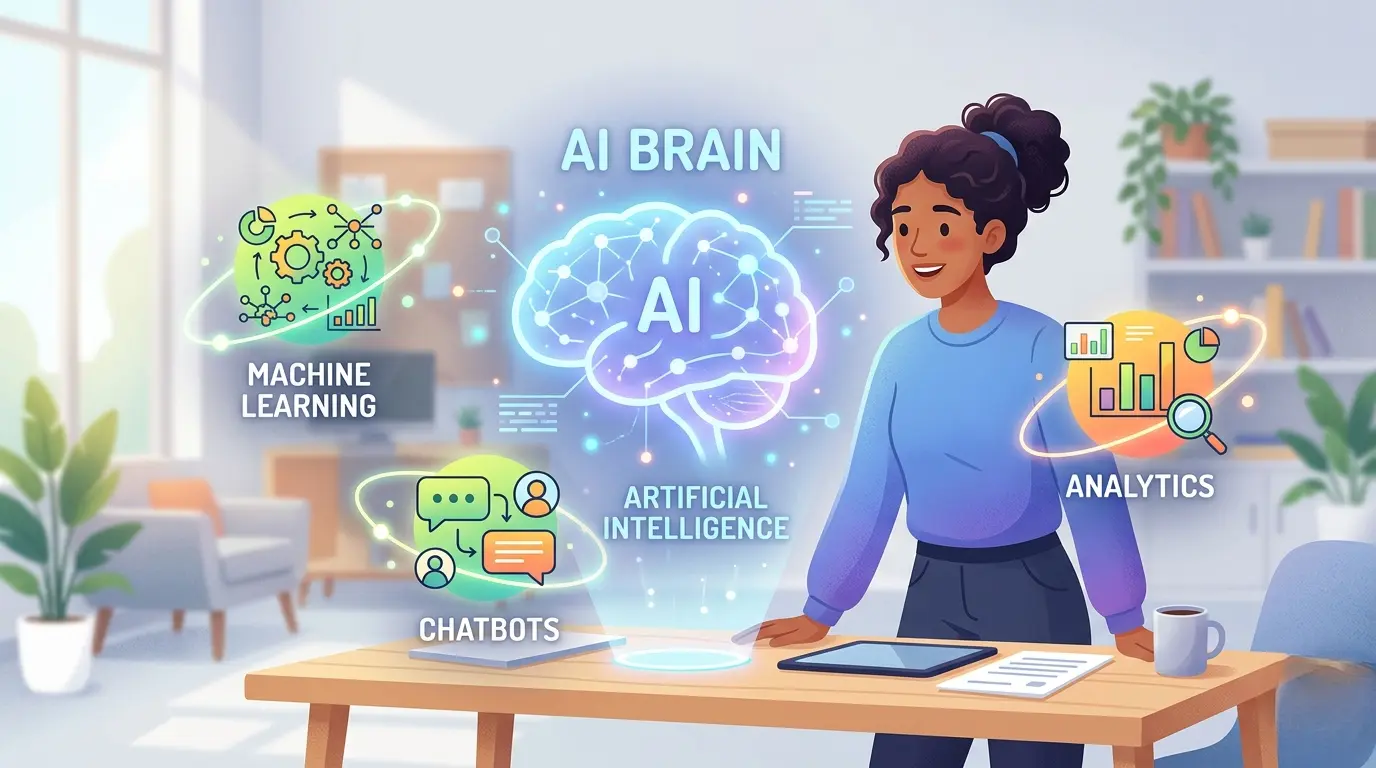
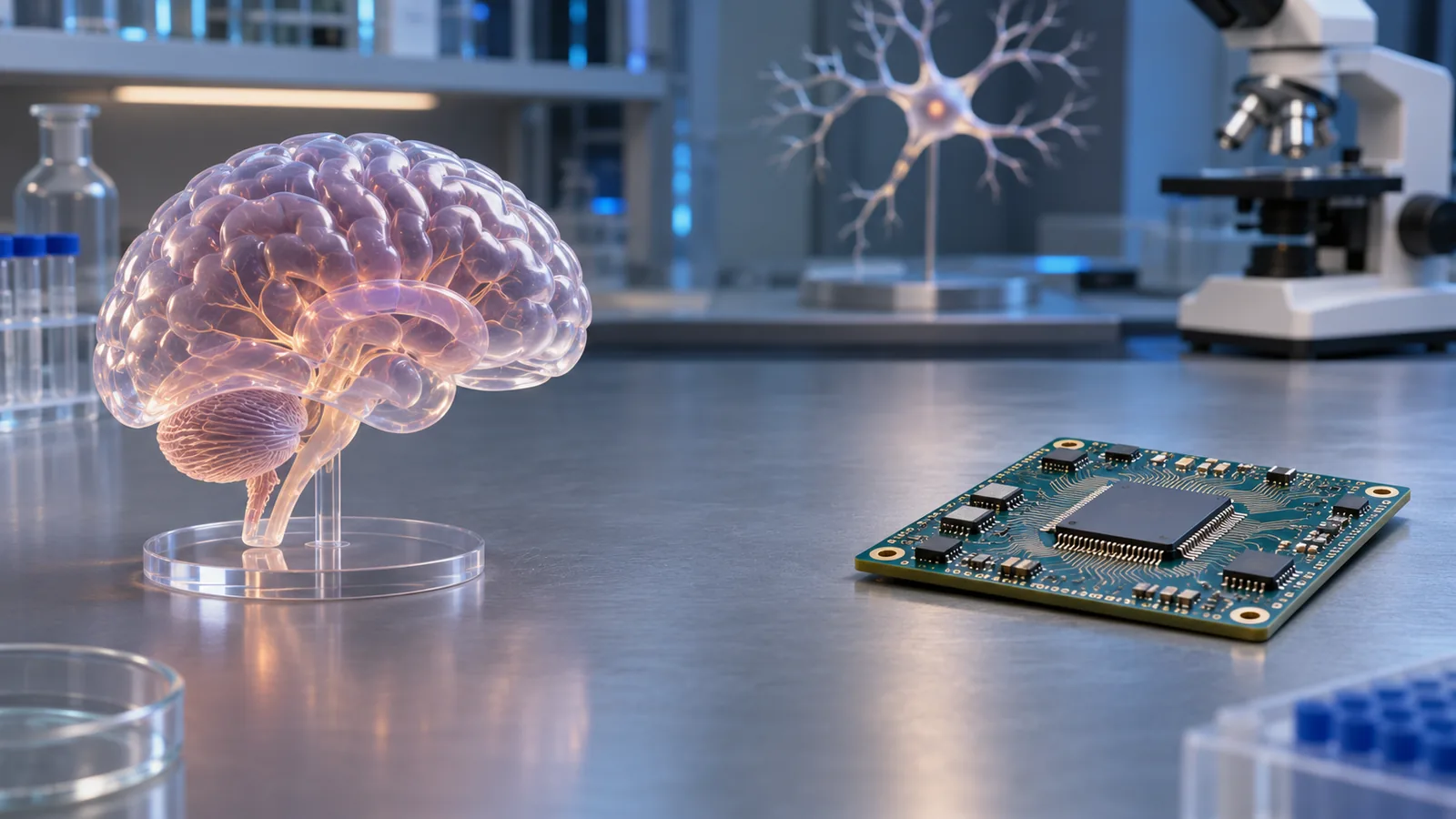
Deep learning is a type of machine learning that uses large networks called neural networks. These networks are loosely inspired by the way brain cells connect and pass signals to each other. A deep learning model has many layers, and each layer learns a different part of a problem. Early layers might learn simple patterns, such as edges in a photo, while later layers combine those patterns into whole objects, such as a face or a car.
What Is Deep Learning in Simple Terms?
Imagine learning to recognise a cat. First you notice pointed ears and whiskers, then you notice fur and a tail, and finally you put all of those features together and say cat. Deep learning works in a similar way. A neural network is shown thousands of examples, and its layers gradually learn which features matter and how they fit together.
The word deep refers to the number of layers. A simple machine learning model might have one or two layers of processing, while a deep learning model can have dozens or even hundreds. More layers let the model learn more complex patterns, which is why deep learning is so good at images, speech and language. To understand the wider field it belongs to, read our guide to what machine learning is and how it works.
How Do Neural Networks Learn?
A neural network is made of small units called neurons, arranged in layers. Each connection between neurons has a weight, which is a number that says how important that connection is. When the network is given an example, it makes a prediction. If the prediction is wrong, the network adjusts its weights a little, so it is more likely to be right next time. This process is repeated millions of times, and the network slowly improves.
Training a large network needs a lot of data and a lot of computing power, which is why deep learning became practical only when fast computer chips and large datasets became available. Once trained, the network can be used to make predictions on new data quickly. If you are still asking what is deep learning, think of it as machine learning with many layers, trained on very large amounts of data.
Where Is Deep Learning Used Every Day?
Deep learning is behind voice assistants that understand what you say, translation apps that turn one language into another, and photo apps that recognise people and places. It also powers the text tools that can draft emails and answer questions, which we explain in our guide to what generative AI is.
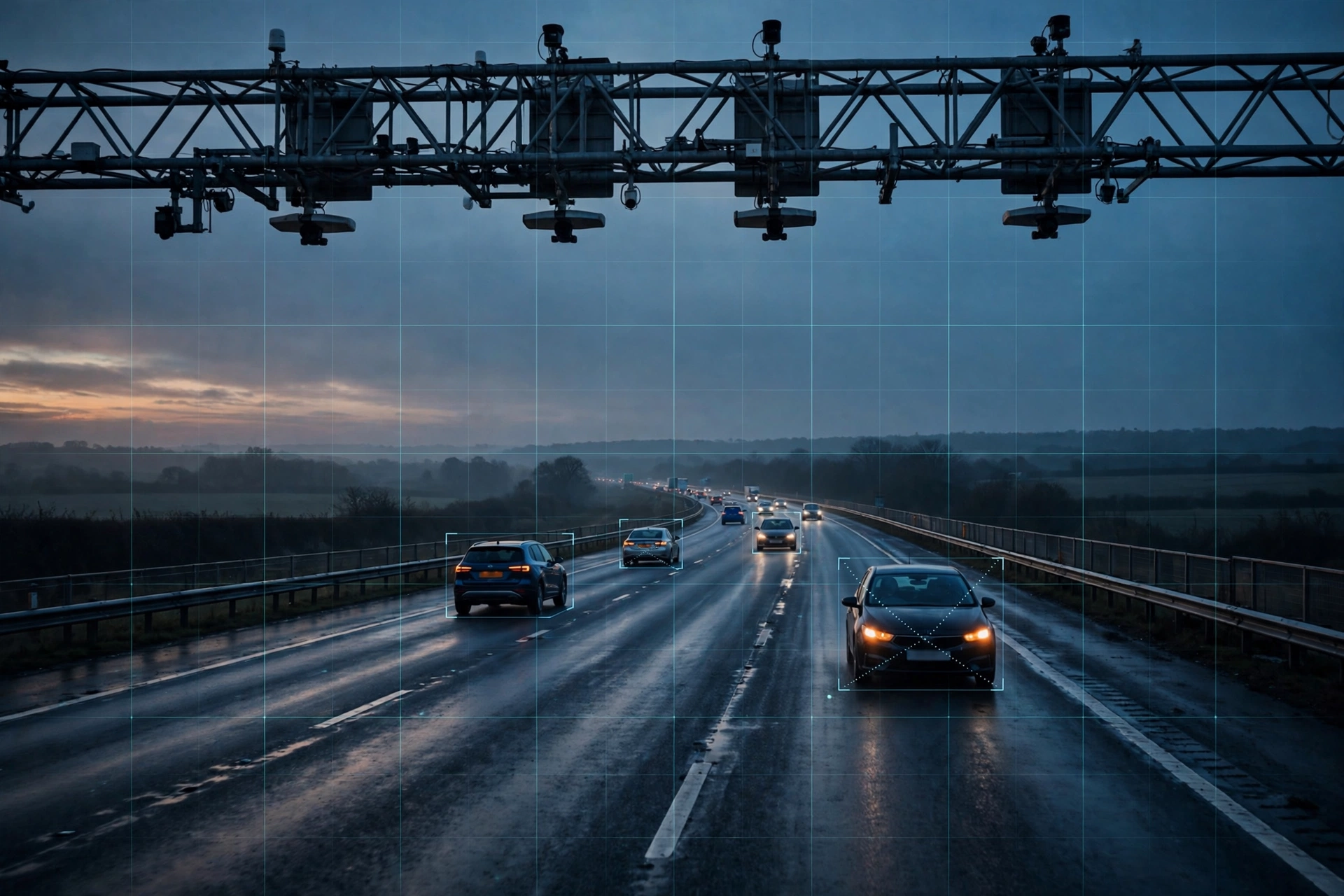
In healthcare, deep learning helps doctors to spot patterns in scans that may be hard for a person to see, as part of the wider changes described in our article on how AI is changing healthcare. Self driving cars use it to recognise road signs and other vehicles, and online shops use it to recommend products and to check photos of items. It is also used in finance to detect unusual transactions, and in customer service to understand what a customer is asking for.
Deep Learning vs Machine Learning: What Is the Difference?
Deep learning is a part of machine learning, not a separate field. All deep learning is machine learning, but not all machine learning is deep learning. Simpler machine learning methods work well with smaller amounts of data and with problems where the important features are already clear, such as predicting a house price from its size and location.
Deep learning is better when the data is large and complex, such as photos, sound and long pieces of text, and when the system needs to work out the features for itself. The trade off is that deep learning models need more data, more computing power and more time to train, and they can be harder to explain. For a look at systems built on these models, see our explainer on what AI agents are and how they work.
What Are the Benefits and Limits of Deep Learning?
The main benefit is accuracy on complex tasks. Deep learning models can recognise images, understand speech and generate text at a level that was not possible a few years ago. They can also work with raw data, such as a photo or a recording, without a person having to list all the features in advance.
The limits are real. Deep learning needs large amounts of good data, and it can learn biases from that data. A model can be confident and wrong, and it is often hard to explain exactly why it gave a particular answer. That matters for important decisions, so people who ask what is deep learning should also ask how its results are checked. Training large models also uses a lot of energy, which is a cost that researchers and companies are working to reduce.
How to Start Learning Deep Learning in 2026
Start with the basics of machine learning and Python, the language used most often in this field. Then learn how neural networks work, and try a small project, such as teaching a model to recognise handwritten numbers or to sort photos into categories. Free introductory guides to deep learning from large technology companies explain the core ideas with examples, and many include exercises you can run on your own computer.
As you improve, learn about the main types of networks used for images and for language, and practise explaining what your model does and where it can go wrong. Building a small portfolio of projects, even simple ones, will help you far more than reading theory alone, and it will show employers and clients that you can turn ideas into working models.
Frequently Asked Questions About Deep Learning
Is deep learning the same as AI? No. AI is the wider field, machine learning is one way to build AI, and deep learning is one type of machine learning. If you ask what is deep learning, the short answer is that it is machine learning with many layered neural networks.
Do I need a powerful computer to learn deep learning? Not to start. Many beginner courses run in a web browser, using free cloud computers. You only need your own powerful hardware for very large projects.
Will deep learning replace human experts? It will change their work, but it works best as a tool. Doctors, teachers and designers still provide the judgement, care and creativity that a model does not have, and they check its output before acting on it.
What is deep learning, in short? It is a powerful way for computers to learn complex patterns from large amounts of data, using layered neural networks. It is already part of daily life in the US, the UK and Australia, and understanding it will help you use AI tools more wisely and take your first steps in this field.