How Can an AR VR Course Open Up New Career Opportunities Across Industries?
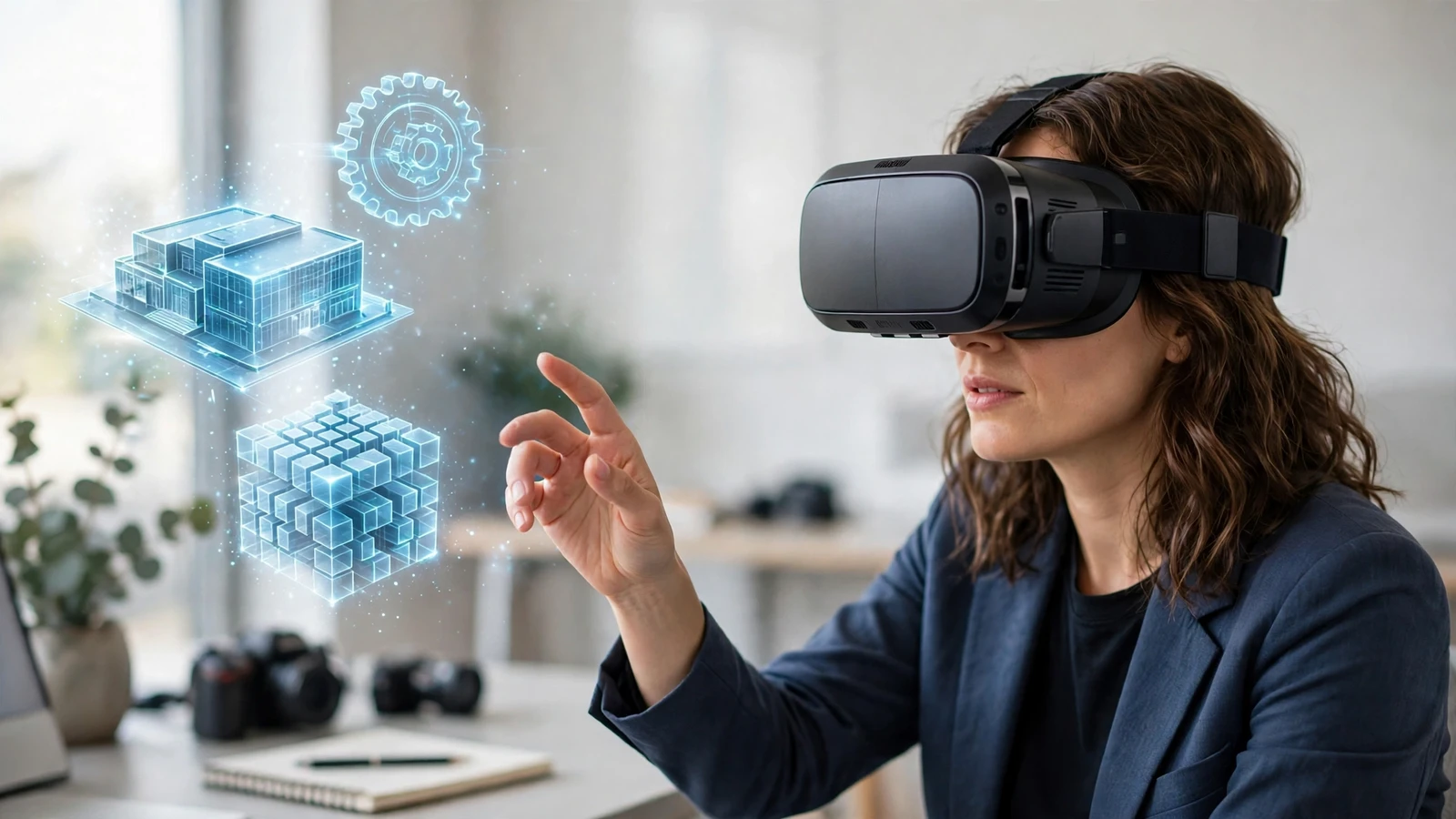
This guide explains how an AR VR course can open up new career opportunities across industries, from education and healthcare to retail, real estate, manufacturing and entertainment.
Introduction
Learning, shopping, training, therapy, design, and entertainment are all being transformed by technology. Both virtual reality and augmented reality are technologies that have made a shift from being used in experimental contexts to something that businesses use regularly. Companies continue to search for ways to improve their digital experiences, leading to an increase in demand for these technologies.
This is the very reason why one should consider taking the AR VR courses. If you want to have your career established within the scope of technology or simply to develop a valuable skill for your resume, then the AR VR course can be the right way to go.
Why AR VR Skills Matter Across Industries
Now, AR and VR are no more restricted to the games industry alone. Organizations within the educational sector, healthcare, retail, real estate, manufacturing, tourism, and media industries have begun employing immersive technologies to improve the processes of learning and communication and much more. With all these applications in mind, an individual trained in immersive technologies does not necessarily have to restrict himself/herself to just one field alone.
In this regard, such an excellent structure of learning should ensure that the learner is educated on how these technologies work and how they solve business problems. Creativity, programming skills, design thinking, and problem-solving are combined into one learning process.
Skills You Can Build Through an AR VR Course
A good course does more than introduce the concept of immersive technology. It helps learners develop a balanced skill set that employers value.
- Acquiring an understanding of the basics of augmented reality and virtual reality
- Acquiring skills in 3D design and modeling
- Development platform skills (Unity/Unreal Engine)
- Creating interactive applications and immersive environments
- Development of programming skills employed in application development
- Learning about user experience design in immersive products
- Testing, enhancing, and optimizing digital experiences
These skills prepare learners to contribute to projects that require both technical ability and creative thinking.
Career Options After Learning AR and VR
One of the biggest advantages of studying AR and VR is the variety of career paths it can open. Here are some options learners can explore.
- AR Developer: Developers who create applications that embed digital information into the real-world using mobile phones, smart glasses, and various other media.
- VR Developer: Developers who create immersive virtual worlds for the purpose of education, recreation, business, and training.
- 3D Artist/Designer: Artists/designers who create characters, objects, and environments to make an immersive experience believable and enjoyable.
- UX Designer of Immersive Products: Designing products with the aim of creating comfort in use and making them intuitive and navigable.
- Game Developer: Development of games through immersive technology.
- Simulation Specialist: Creating simulated training for industries where skills need to be learned through immersion.
- Technical Artist: Bridges the gap between design and development by ensuring collaboration between artists and programmers.
- Immersive Content Creator: Creates content for marketing, narrative, educational purposes, and brand interaction.
- AR VR Product Specialist: Assists companies to comprehend and adopt immersive technology solutions.
How Different Industries Use AR and VR Talent
The value of immersive skills becomes clearer when we look at how different sectors use them.
- Education: Immersive technology is used by institutions to make difficult topics more understandable.
- Healthcare: Simulations are used by the healthcare industry for training, planning, and educating patients.
- Retail and E-commerce: AR is used by businesses for visualization purposes before making a purchase.
- Real Estate and Architecture: Virtual tours of spaces which have yet to be created are designed by professionals.
- Manufacturing: Immersive technology is used for design review, maintenance, and employee training.
- Media and Entertainment: AR and VR are being used to create more complex narrative experiences.
Since each industry has different needs, professionals with immersive skills can choose a path that matches their interests and strengths.
Who Can Benefit from Learning AR and VR?
This is due to the fact that these programs are not confined to any specific group of students. New graduates can take advantage of such programs to gain experience in the emerging field. Software engineers can improve their skillset and face new challenges through new jobs. The designers can explore methods to employ their creativity in the third dimension.
The important thing here is curiosity and the readiness to engage in some practice. Technologies which are immersive in nature always reward those who have the knack for experimentation and learning.
Choosing the Right Learning Path
In case someone wishes to take up courses related to ARVR, one needs to look for the courses that provide both theoretical and practical knowledge. The course should have elements like designing, development, testing, and implementation.
Other factors such as industry-specific tools, mentoring, and development of the portfolio also count. The portfolio ensures that the learner has an opportunity to demonstrate his/her talents; this is something that counts when looking for employment opportunities.
Conclusion
Tools used in industry, mentoring, and building of a portfolio are equally critical. The portfolio provides a platform where the learner is able to showcase their skills, and this is especially critical when searching for a job.
No matter where you are in your career or whether you’re considering a career change, enrolling in AR VR courses and augmented reality courses will provide you with future-ready skills and expose you to a plethora of career opportunities within one of the most dynamic sectors around.
Frequently Asked Questions About an AR VR Course
What does an AR VR course cover?
An AR VR course covers the basics of augmented and virtual reality, 3D design, interactive applications and user experience for immersive products, as described above.
Which industries hire after an AR VR course?
Education, healthcare, retail, real estate, manufacturing and entertainment all use immersive talent. In healthcare, for example, AI tools are already changing clinical work, as explained in AI Scribe Errors in Healthcare: What Actually Goes Wrong in 2026.
How does an AR VR course relate to wider AI skills?
Immersive work often sits alongside other AI systems, so it helps to understand how modern AI tools work. See AI Agents Explained: What They Are, How They Work & Uses for a clear introduction to AI agents.
Who should consider an AR VR course?
An AR VR course can suit new graduates who want a practical, future-ready skill, software engineers who want to move into immersive work, and designers who want to apply their creativity in three dimensions. Curiosity and a willingness to practise are more important than a single background.
What roles can an AR VR course lead to?
An AR VR course can lead towards roles such as AR developer, VR developer, 3D artist or designer, immersive UX designer, game developer, simulation specialist, technical artist, immersive content creator and AR VR product specialist. The right role often depends on whether a learner prefers coding, design, content or product work.
Can an AR VR course help with a career change?
Yes, an AR VR course can help a career change by adding a portfolio of immersive projects alongside existing experience. A portfolio that shows design, development and testing work helps employers judge practical ability, especially when combined with the industry examples discussed in this guide.